



Hedging Crypto Positions: Strategies for Securing Your Digital Assets
In the dynamic world of cryptocurrency, managing investments wisely is more critical than ever. With reports indicating that around
Understanding Hedging in Cryptocurrency
Hedging is a risk management strategy aimed at offsetting potential losses in investments. In the context of cryptocurrency, this could mean using various financial instruments or market strategies to protect against the downside risks associated with the price volatility inherent in digital currencies.
Think of hedging like purchasing insurance for your car; you hope you never need to use it, but it’s essential to have it just in case. Similarly, employing hedging strategies in crypto trading can provide peace of mind to investors.
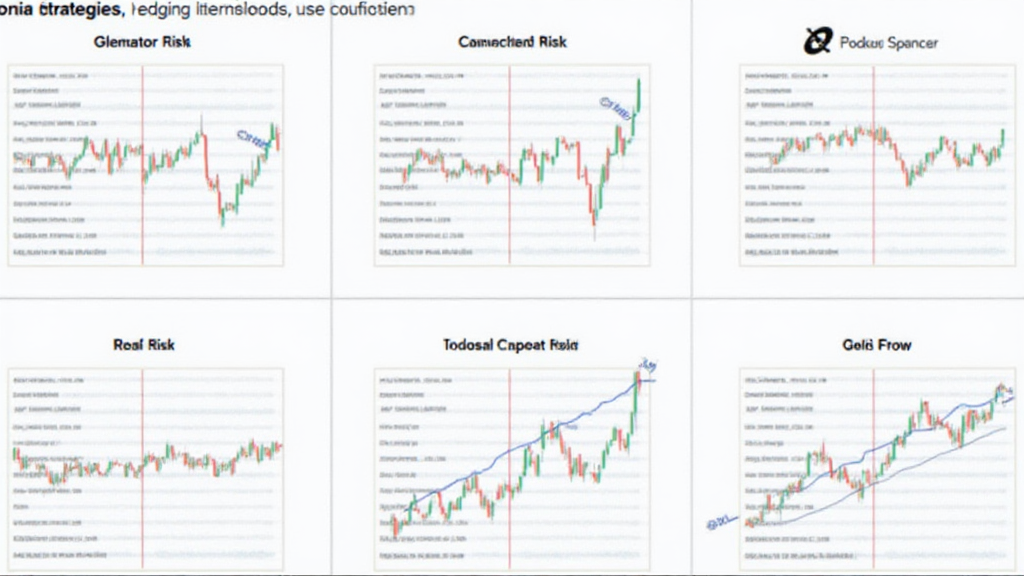
Why is Hedging Essential for Crypto Investors?
ong>Market Volatility: ong> The cryptocurrency market is known for its significant price swings, making it imperative for investors to implement strategies to manage risk.ong>Protecting Investments: ong> Hedging helps secure your profit margins, ensuring that not all losses occur when the market is down.ong>Increased Confidence: ong> By having a strategy in place, investors can take a more long-term approach, focusing on the potential of their portfolios rather than the stress of day-to-day market movements.
Popular Hedging Strategies for Crypto Positions
There are numerous techniques that investors can use to hedge their crypto holdings effectively. Let’s break down some of the most popular strategies:
1. Futures and Options Markets
Futures contracts allow investors to lock in prices for the purchase or sale of cryptocurrencies at a future date. By using futures, you can mitigate risks associated with price fluctuations while using options enables you to purchase the right (but not the obligation) to buy or sell at a predetermined price.
ong>Example: ong> If you own Bitcoin and fear a price drop, you could sell Bitcoin futures contracts. If the price falls, the profits from the short position can offset the losses in your holdings.
2. Using Stablecoins
Stablecoins are cryptocurrencies pegged to stable assets, such as fiat currency or commodities. By converting a portion of your crypto holdings into stablecoins during market downturns, you can reduce exposure to volatility and maintain liquidity.
ong>Example: ong> If you anticipate a bear market, converting Bitcoin to USDT (Tether) can help protect your investments. During market recovery, you can exchange back to Bitcoin, ideally at lower prices.
3. Diversification
Diversifying your portfolio across various crypto assets allows you to spread risk. By investing in different cryptocurrencies, you shield yourself against adverse movements in any single asset.
ong>Example: ong> Instead of solely investing in Bitcoin, consider adding Ethereum, Cardano, and emerging altcoins like 2025年的最具潜力的山寨币 to your portfolio.
4. Insurance Policies for Cryptocurrencies
Recently, more companies have begun offering insurance policies for cryptocurrency holdings. These policies can cover losses due to a variety of risks, including hacks and theft.
ong>Example: ong> By purchasing coverage that insures against exchange hacks, you can receive compensation in the event of a security breach on a cryptocurrency exchange.
Data-Driven Strategies for Hedging
Many investors overlook the importance of using data when creating a hedging strategy. Utilizing historical data helps assess risks and make more informed decisions.
| Year | Bitcoin Price Performance (%) | DeFi Hacks Reported |
|---|---|---|
| 2021 | +300 | 100 |
| 2022 | -70 | 70 |
| 2023 | +120 | 150 |
| 2024 | -50 | 80 |
According to Chainalysis 2025, the likelihood of significant fluctuations in the price of Bitcoin correlates strongly with market events and DeFi hacks. By analyzing this data, investors can create more effective hedging strategies based on historical trends.
Integrating Hedging Strategies in Vietnam’s Crypto Market
As Vietnam continues to see a surge in crypto adoption, with a user growth rate of
- Vietnamese investors should consider incorporating both local and international cryptocurrencies into their portfolios, using futures contracts offered by exchanges accessible in the region.
- As regulations tighten around cryptocurrency in Vietnam, consulting with local financial advisors will help ensure compliance while optimizing hedging strategies.
Conclusion: Mastering Hedging for Crypto Investments
Hedging crypto positions is an essential skill every cryptocurrency investor should develop to navigate the volatile landscape successfully. By employing strategies such as futures markets, utilizing stablecoins, diversification, and leveraging insurance policies, investors can significantly minimize risk. Furthermore, with the continued growth of the Vietnamese market, understanding these methods can empower investors to protect their assets while maximizing opportunities.
Remember, while hedging can mitigate losses, always conduct thorough research and consider consulting with financial professionals for tailored advice specific to your financial situation. Protect your investments in the ever-changing cryptocurrency world with smart hedging strategies.
For further insights on effective strategies in the cryptocurrency domain, visit ristomejidebitcoin.
**Author: Dr. Alex Nguyen** is a renowned expert with over


