


Understanding Gas Fees in Crypto: A Comprehensive Guide
In 2024 alone, over $4.1 billion was lost due to DeFi hacks, highlighting the importance of security and efficient transaction processing in the crypto space. This article will delve deep into gas fees and why they are crucial for anyone interacting with blockchain technology. If you’re venturing into the world of cryptocurrencies, understanding gas fees can save you significant amounts of money and enhance your trading experience.
What are Gas Fees?
Gas fees are charges that users must pay to execute transactions or smart contracts on the Ethereum network (and other blockchains). This fee compensates miners or validators for the computational energy required to process and validate transactions. Think of gas fees as the transaction costs of banking, but much more variable and tied to how congested the network is.
How Gas Fees Work
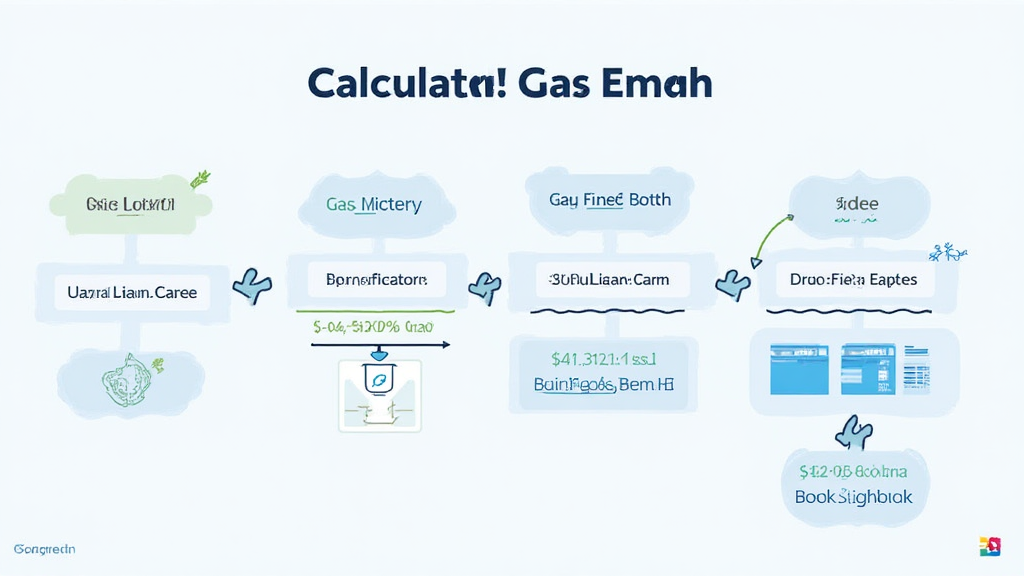
- The gas limit is the maximum amount of gas you are willing to use for your transaction.
- Gas price refers to how much you’re willing to pay per unit of gas, usually measured in Gwei.
- The total gas fee is the gas limit multiplied by the gas price.
Let’s break it down further. Imagine you’re at a restaurant, and you want to order a special dish that requires the chef to spend extra time preparing it. You’d tip the chef a bit more to ensure that he prioritizes your order. In blockchain terms, the higher the gas fee you pay, the more likely your transaction gets processed quickly, especially during high demand times.
Factors Influencing Gas Fees
Several factors can affect gas fees:
ong>Network Demand: ong> Higher demand for transaction processing leads to increased gas fees.ong>Transaction Complexity: ong> More complex transactions, like those involving smart contracts, require more computational power, resulting in higher fees.ong>Market Conditions: ong> Speculative trends can drive fees in bursts, regardless of network congestion.
According to a leading blockchain analytics firm, gas prices can soar dramatically during popular event periods, which can drastically impact users in countries like Vietnam, where crypto adoption has been growing at a rate of over 35% per year. Keeping an eye on these fluctuations can save users a significant amount.
How to Optimize Gas Fees
If you want to navigate through gas fees effectively, consider these strategies:
ong>Timing: ong> Monitor the network status and submit your transactions during off-peak times.ong>Adjusting Gas Price: ong> Use wallets that allow you to customize gas price settings.ong>Batch Transactions: ong> If you’re making multiple transactions, batching them can reduce overall fees.
Furthermore, it’s essential to note that gas fees are not exclusively tied to Ethereum. Other blockchain platforms have their own variants of transaction fees, with many working to reduce the cost and make transactions more user-friendly.
Gas Fees in the Vietnamese Market
The Vietnamese cryptocurrency market has experienced unprecedented growth, leading to increased transaction volumes. According to a report, over 2 million Vietnamese have started using cryptocurrencies like Bitcoin and Ethereum. This surge means that understanding gas fees has never been more critical for Vietnamese traders.
For example, during a typical day, gas fees in Vietnam might average around 20-30 Gwei. However, during popular token launches or NFT drops, fees can skyrocket to over 150 Gwei. Being savvy about these trends can help individuals save money and improve their transaction efficiency.
Understanding Gas Fees in Your Crypto Transactions
When you initiate a transaction, wallets automatically calculate the estimated gas fees based on current market conditions. Tools and services are available to help you analyze gas price trends effectively. For example, websites like hibt.com provide live updates on gas prices, allowing you to time your transactions optimally.
The Future of Gas Fees in Crypto
With ongoing developments in blockchain technology, we are likely to see enhancements in gas fee structures, aimed at making the system more user-friendly and economically viable. Layer-2 solutions like Polygon are gaining traction as they offer reduced fees while maintaining the integrity of transactions.
Future improvements may also see gas fees becoming more predictable and stable, allowing average users better planning capabilities for their trade executions.
Conclusion
Understanding gas fees is fundamental for anyone participating in cryptocurrency transactions, especially in a rapidly evolving market like Vietnam. With the right knowledge and tools, you can lower your transaction costs significantly and improve your overall experience in this exciting digital landscape. Keep following market trends, leverage tools for optimization, and you’ll be well on your way to becoming a savvy crypto trader.
To learn more about optimizing your crypto transactions, visit ristomejidebitcoin. Stay informed and make your trades count!


