



Agriculture Blockchain Projects in Vietnam: Revolutionizing the Sector
With the global agricultural industry facing numerous challenges, from supply chain inefficiencies to a lack of transparency, the need for innovative solutions has never been more critical. In Vietnam, agriculture is not just a means of livelihood for many; it constitutes a significant portion of the economy. In 2021, agriculture accounted for approximately 14% of Vietnam’s GDP, contributing heavily to its export revenues. However, the sector is plagued by issues such as poor traceability, fraud, and inefficiencies that lead to food safety concerns.
The introduction of blockchain technology promises to address these issues head-on. By leveraging decentralized ledgers, smart contracts, and cryptographic security, agriculture blockchain projects in Vietnam aim to create a more transparent, secure, and efficient agricultural ecosystem.
In this article, we will delve deep into the agricultural blockchain landscape in Vietnam. We will explore various projects, analyze their impact, discuss trends, and highlight the potential future of this transformative technology in the Vietnamese agricultural market.
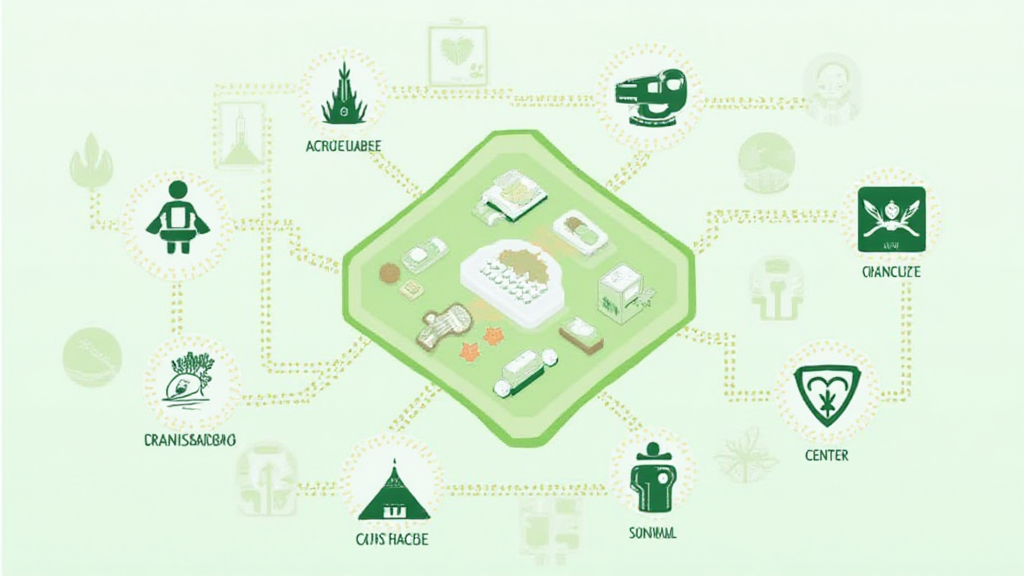
The Landscape of Agriculture in Vietnam
Before we dive into the intricacies of blockchain projects, it’s essential to understand the current state of agriculture in Vietnam. The country is known for its major agricultural outputs, including rice, coffee, rubber, and seafood. However, traditional farming methods and fragmented supply chains have often hindered growth.
- Rice Production: Vietnam is one of the world’s leading rice exporters. In 2020, it exported approximately 6.15 million tons of rice.
- Coffee: With over 1.6 million tons produced in 2020, Vietnam ranks second in coffee production globally.
- Seafood: The seafood industry is a significant contributor to Vietnam’s economy, with export revenues reaching $8.4 billion in 2020.
Understanding Blockchain in Agriculture
Blockchain technology provides a decentralized ledger that records transactions across many computers, ensuring that the registered information cannot be altered retroactively. This immutable feature is particularly beneficial for the agricultural sector in Vietnam.
Key Benefits of Blockchain in Agriculture
- Enhanced Transparency: All transactions can be traced back to their source, ensuring transparency in the supply chain.
- Food Safety: Blockchain can help track food products from farm to table, reducing the risk of contamination.
- Efficiency Improvements: Smart contracts can automate and streamline various processes.
Notable Agriculture Blockchain Projects in Vietnam
Several initiatives in Vietnam are leveraging blockchain technology to improve agricultural processes:
1. The Vietnam Blockchain Union for Agriculture (VBUA)
Founded in 2019, VBUA aims to promote the application of blockchain technology in the agricultural sector. The organization collaborates with various stakeholders, from farmers to tech companies, to implement blockchain solutions that enhance productivity and traceability.
2. AgriBlockchain
AgriBlockchain works specifically with rice farmers in the Mekong Delta to improve supply chain transparency. By using blockchain technology, consumers can trace the origin of their rice, ensuring its quality and authenticity.
3. Food Safety Blockchain Vietnam
This project focuses on ensuring food safety and quality across the agricultural supply chain. Using blockchain, the initiative enables real-time monitoring and traceability, allowing regulators and consumers to validate product origins.
4. Vinamilk Smart Dairy Chain
Vietnam’s largest dairy producer, Vinamilk, has initiated a blockchain program to enhance traceability in its dairy supply chain. This project not only improves trust with consumers but also enables quality assurance in the production process.
Trends and Future Potential
The adoption of blockchain technology in agriculture is still in its nascent stages in Vietnam, but several trends are already emerging:
1. Increased Adoption of Smart Contracts
Smart contracts are expected to play a crucial role in automating agreements between different stakeholders in the agricultural supply chain. By reducing reliance on intermediaries, farmers can enjoy better profits.
2. Enhanced Collaboration between Farmers and Technology Providers
As awareness of blockchain benefits grows, collaborations between farmers and technology providers are likely to increase. This synergy can lead to more effective solutions tailored to the specific needs of Vietnamese agriculture.
3. Government Support
With a growing interest in smart agriculture, the Vietnamese government is also beginning to support blockchain initiatives as part of its wider digital transformation agenda. This support could include investments or regulatory frameworks that encourage blockchain adoption.
Challenges Facing Blockchain Adoption in Agriculture
Despite the numerous benefits, the adoption of blockchain technology in agriculture is not without its challenges:
1. Infrastructure Limitations
Many rural areas in Vietnam still lack adequate internet connectivity and digital infrastructure, making blockchain implementation difficult.
2. Resistance to Change
Farmers accustomed to traditional farming practices may be hesitant to adopt new technologies. Educating farmers about the value of blockchain is essential for widespread acceptance.
3. Regulatory Hurdles
Establishing a clear legal framework for blockchain technology in agriculture is crucial. Current regulations may not adequately address the complexities of blockchain applications.
Conclusion
In conclusion, agriculture blockchain projects in Vietnam are paving the way for a more transparent and efficient agricultural ecosystem. With the right strategies and support from government and technology providers, Vietnam can become a leading example of blockchain integration in agriculture.
The future of agriculture in Vietnam lies in its ability to embrace innovative technologies like blockchain, ensuring not only economic growth but also sustainability and food security for generations to come.
To learn more about the agricultural blockchain landscape in Vietnam and other cryptocurrency-related topics, visit ristomejidebitcoin.


