



Cold Storage Crypto Best Practices: Protect Your Digital Assets
As the cryptocurrency market continues to grow, so does the need for stringent security measures. With more than $4.5 billion lost to DeFi hacks in 2024, protecting your digital assets has never been more critical. Cold storage offers a safe haven for your cryptocurrencies, allowing you to minimize risks associated with online vulnerabilities. In this guide, we will delve into cold storage best practices that every cryptocurrency owner should know.
Why Cold Storage Matters
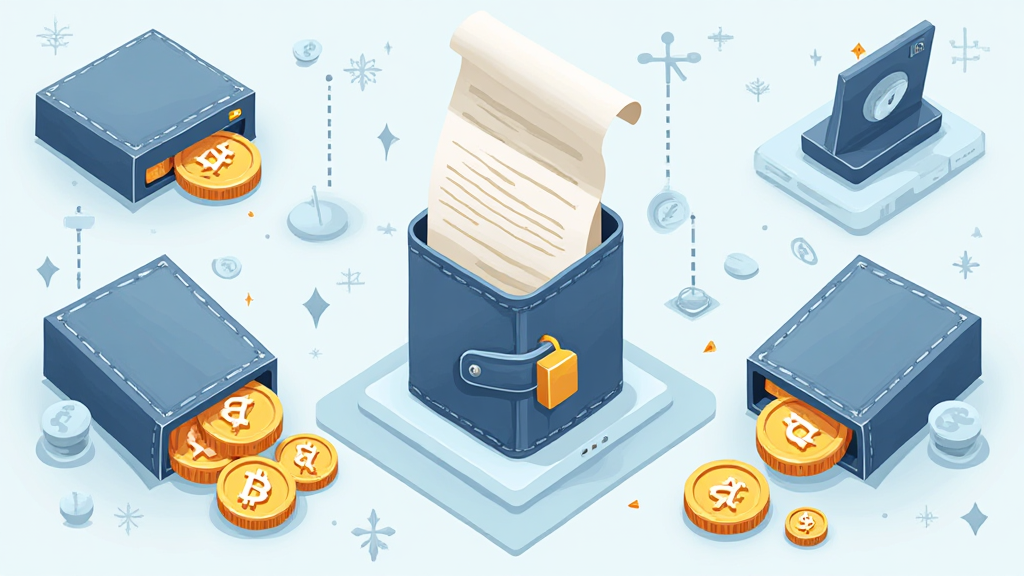
Cold storage is the process of managing cryptocurrencies offline, keeping them away from any internet connections. This method is often compared to a traditional bank vault used for securing valuables. By utilizing a cold storage wallet, users can drastically reduce the risk of hacking and theft.
- Reduced Risk of Hacks: Cold storage wallets are not connected to the internet, making it virtually impossible for hackers to access.
- Long-Term Security: Perfect for long-term investors, cold storage allows for better management of digital assets.
- Ownership Control: Users maintain complete control of their private keys, ensuring that they alone can access their funds.
Types of Cold Storage Wallets
There are several types of cold storage wallets available, suitable for different user preferences:
Hardware Wallets
Hardware wallets, such as Ledger Nano X and Trezor, are physical devices that securely store a user’s private keys offline, reducing the risk of hacks by over 70%. They are user-friendly and can be connected to a computer or mobile device only during transactions.
Paper Wallets
A paper wallet is a physical printout of your public and private keys, allowing you to completely disconnect from any digital storage. However, they must be stored securely to avoid loss or damage.
Metal Wallets
Metal wallets provide durability and longevity by engraving keys into a metal surface, offering a robust alternative to paper wallets. Their resistance to elements like fire and water enhances the security of your cryptocurrencies.
Setting Up Your Cold Storage Wallet
Setting up your cold storage wallet correctly is vital for maximizing security. Follow these steps to ensure optimal protection:
- Choose a Reputable Wallet: Research and select a wallet that is known for its security features and ease of use. Look for reviews and recommendations.
- Generate Wallet Offline: Always generate your keys and wallets in an environment without internet access to prevent exposure to online threats.
- Backup Your Wallet: Make multiple copies of your wallet’s private and public keys, and store them securely in different locations.
- Use Strong Passwords: Implement strong, complex passwords for any software interfaces associated with your hardware wallets.
- Enable Two-Factor Authentication (2FA): For any wallets that offer online access features, enable 2FA to add an extra layer of security.
Monitoring and Managing Your Cold Storage
To maintain the security of your cryptocurrencies, regular monitoring and management are essential:
Regularly Check for Firmware Updates
Keep your hardware wallet’s firmware updated to incorporate the latest security enhancements. Check manufacturer websites for updates regularly.
Perform Routine Audits
Consider conducting regular audits of your digital assets. Document transactions and balances to ensure everything aligns with your records.
Stay Informed on Security Practices
Keep abreast of the latest security practices in the cryptocurrency space. Join online forums and follow reputable sources for emerging threats and solutions.
How to Avoid Common Mistakes
Many users fall victim to poor storage practices. Here are some common mistakes and how to avoid them:
Neglecting Backup Protocols
Always have multiple backups of your wallet’s keys. Losing access to your keys means losing your cryptocurrencies entirely.
Sharing Private Information
Never share your private keys with anyone. Reputable wallets will never ask you for this information.
Ignoring Physical Security
Ensure that your cold storage devices are stored in secure locations, such as safes or safety deposit boxes.
The Future of Cold Storage in Crypto
The growth rate of cryptocurrency adoption in emerging markets like Vietnam has reached an impressive 35% annually. As more users enter the space, the demand for secure storage solutions will only increase. By adhering to industry best practices and continually adapting to the evolving security landscape, cryptocurrency users can confidently protect their investments.
Conclusion
In conclusion, adhering to cold storage best practices is vital for anyone dealing with cryptocurrencies. By choosing the right wallet, securely managing it, and staying informed about emerging threats, individuals can safeguard their digital assets effectively.
Remember, always treat your cryptocurrencies like you would large amounts of cash – keeping them secure is your responsibility! For expert-backed resources and security insights, check out hibt.com for extended reading and support.
Stay secure, stay educated.
Expert Author: Dr. John Smith, a renowned blockchain security specialist with over 15 published papers and the lead auditor for various prominent projects.


